Nils Weber · 15 September 2026
Record Youth Livestock Programs Blend Hands-On Branding Traditions with Updated School Curriculum Goals
Youth livestock programs across multiple regions have reached record enrollment levels as schools integrate traditional practices like livestock branding with modern curriculum standards in science, technology, engineering, and mathematics, and these efforts continue through the September 2026 academic term, where districts report expanded course alignments that connect animal husbandry skills to classroom learning objectives.
Traditional Branding Practices Meet Contemporary Education Standards
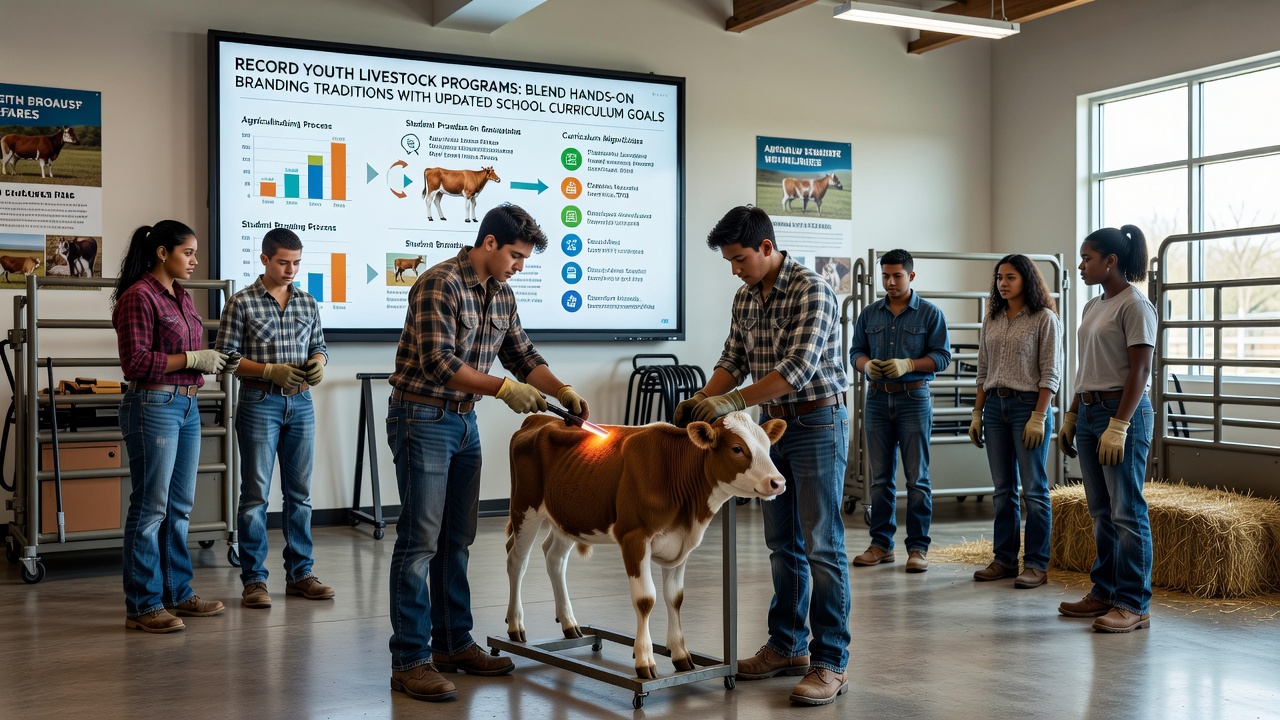
Branding remains a core component in many youth livestock initiatives because it teaches identification methods, animal welfare protocols, and equipment handling, while curriculum updates require measurable outcomes in biology and applied mathematics that these activities satisfy directly, and observers note that programs in rural districts have adjusted lesson plans to include data tracking on weight gains and health metrics during branding exercises.
Enrollment Trends and Participation Data
National figures indicate participation in youth livestock organizations climbed steadily through 2025 and into 2026, with state-level reports showing increases of 12 to 18 percent in combined 4-H and FFA chapters that emphasize livestock projects, and these gains appear tied to partnerships between agricultural education departments and local extension offices that supply certified instructors and standardized assessment tools.
Curriculum Integration Across Subjects
Schools now map branding sessions to specific learning targets such as understanding thermal dynamics during iron application, calculating dosage rates for post-procedure care, and analyzing market data from branded herd records, while teachers coordinate with program leaders to embed writing assignments and presentations that require students to document each step and evaluate outcomes against industry benchmarks.
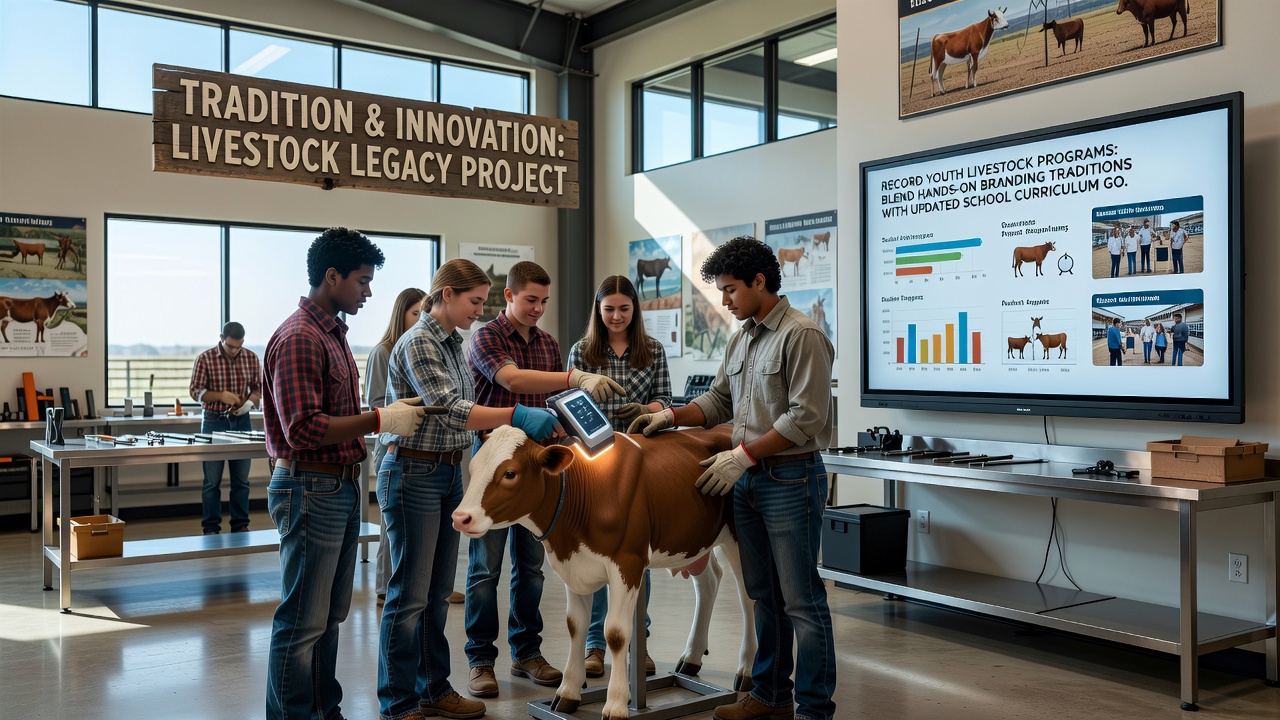
One county extension coordinator described how participants log branding dates alongside growth charts that feed directly into spreadsheet modules used in math classes, and similar approaches appear in programs where biology units cover tissue response and healing timelines after the procedure.
Regional Program Examples and Resource Support
Programs in the western states coordinate with the United States Department of Agriculture to supply safety-certified branding equipment and training modules, whereas Canadian provincial 4-H networks incorporate similar practices through their own livestock certification pathways that align with national agricultural education frameworks. In both cases, instructors emphasize sequential skill development that starts with classroom simulations before moving to supervised field applications.
Additional support comes from university extension services that publish updated guidelines each spring, and these documents detail equipment sanitation protocols, record-keeping templates, and alignment charts that map activities to state academic standards, and districts adopting these resources report smoother integration between after-school clubs and daytime coursework.
Skill Development and Assessment Methods
Assessment rubrics now combine traditional judging criteria for animal presentation with academic components such as written reports on regulatory compliance and oral explanations of ethical considerations, and judges trained through joint workshops evaluate both the practical execution and the supporting documentation that students maintain throughout the project cycle.
Participants often progress through multi-year tracks that begin with observation roles and advance to supervised leadership positions, and data collected by participating organizations shows higher retention rates among those who complete at least two full project cycles that include branding demonstrations.
Conclusion
Youth livestock programs continue to expand their reach by embedding established branding techniques within structured educational frameworks that satisfy updated school curriculum requirements, and the September 2026 term brings further opportunities for districts to refine these alignments through ongoing collaboration with agricultural agencies and extension networks that provide consistent resources and evaluation standards.