Nils Weber · 29 September 2026
Valley Beekeepers Partner with Ranch Operators to Boost Pollinator Habitats on Grazing Lands
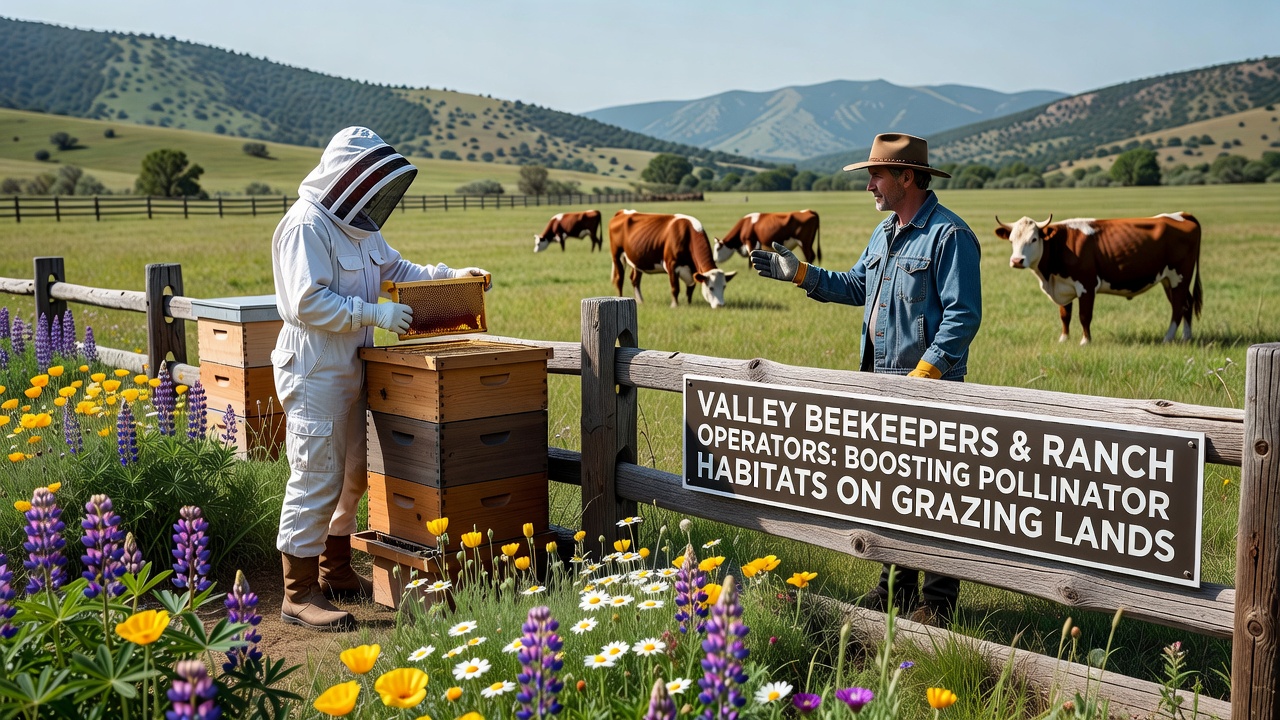
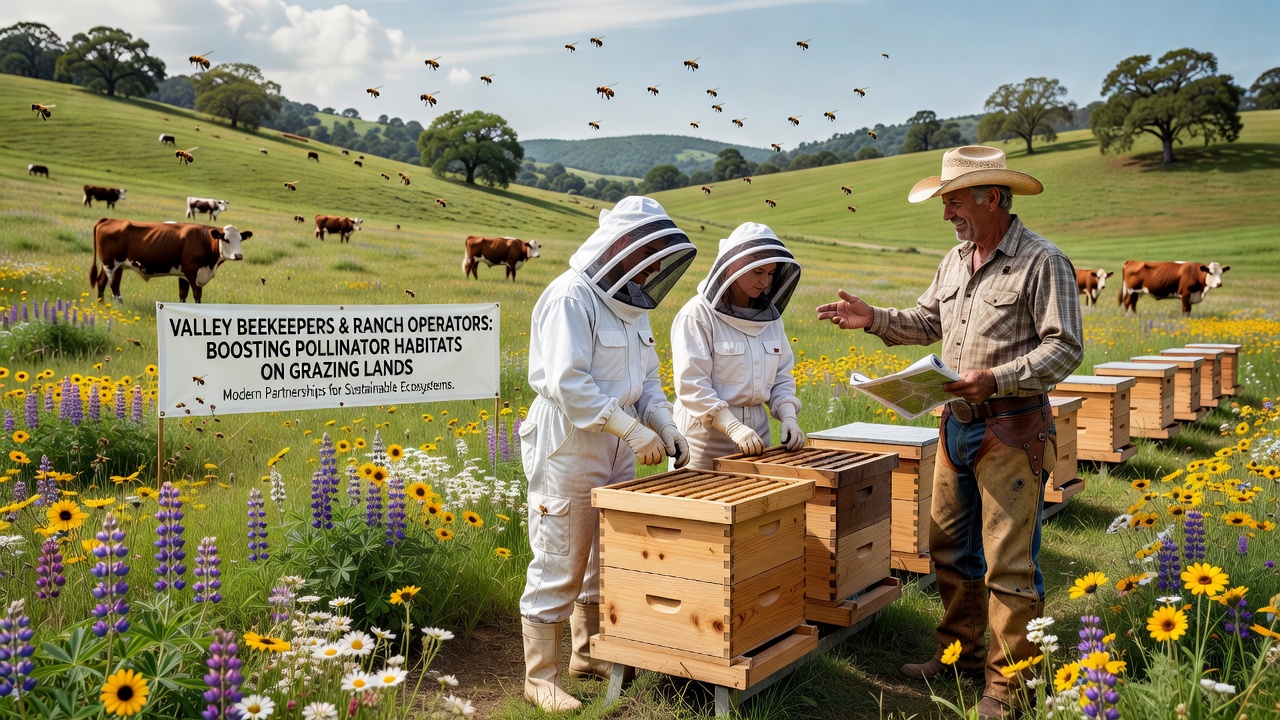
Valley beekeepers have formed partnerships with ranch operators across multiple regions, creating dedicated spaces for pollinators on lands traditionally used for livestock grazing, and these arrangements combine forage management with habitat restoration efforts that support both honey production and cattle operations. Data from agricultural extension services shows that such collaborations have expanded native plant coverage on participating ranches by integrating wildflower strips along fence lines and in underutilized pasture sections.
Partnership Structure and Implementation
Ranch operators provide access to portions of their grazing acreage while beekeepers supply hives and monitor colony health, resulting in shared responsibilities that include timed grazing rotations to prevent over-browsing of flowering plants during peak bloom periods. In September 2026, several valley programs began tracking bloom density through standardized field assessments that measure species diversity and nectar availability on a quarterly basis.
Those who coordinate these projects often select drought-tolerant perennials such as lupine and clover alongside regional grasses, which allows cattle to continue rotational grazing without eliminating the floral resources bees require for sustained foraging. Researchers at land-grant universities have documented how these plantings increase soil stability on sloped pastures while reducing erosion rates during seasonal rains.
Ecological and Agricultural Outcomes
Studies conducted by the USDA Natural Resources Conservation Service indicate that integrated pollinator plantings on grazing lands correlate with higher insect diversity, including native bees and beneficial predators that help control pasture pests. Ranchers participating in these arrangements report that improved forage quality from diverse plant mixes supports weight gain in herds during shoulder seasons when traditional grass stands thin out.
One long-term monitoring effort in the valley revealed that apiaries located near restored habitat patches maintained stronger overwintering survival rates compared with hives placed in monoculture settings, while the surrounding vegetation also attracted pollinators that boosted seed set in nearby alfalfa fields used for hay production. Australian agricultural researchers have noted similar patterns in comparable rangeland systems where beekeeper-rancher agreements incorporate flowering shrubs that persist through variable rainfall cycles.
Monitoring Practices and Data Collection
Program participants use simple transect surveys and hive weight logs to gather consistent information, and these records feed into regional databases that track changes in pollinator populations over multiple seasons. Extension agents provide training sessions that teach ranch staff how to identify key plant species and adjust grazing schedules accordingly, which minimizes conflicts between livestock movement and bloom periods.
Evidence from European Union habitat projects demonstrates that combining low-intensity grazing with targeted seeding produces measurable gains in butterfly and bee abundance, offering a model that valley operators have adapted to local soil and climate conditions. Financial support for seed purchases and fencing often comes through cost-share programs administered by federal and state conservation agencies, allowing smaller ranches to participate without bearing full upfront expenses.
Expansion and Regional Adaptation
Additional valley areas adopted similar frameworks after initial pilot sites demonstrated stable honey yields alongside maintained stocking rates, prompting neighboring operations to explore joint ventures with local beekeeping associations. What's interesting is how these arrangements accommodate different ranch sizes, from large spreads with thousands of acres to smaller family holdings that dedicate only marginal corners to habitat plantings.
Observers note that communication between partners centers on shared calendars marking bloom windows and cattle moves, which reduces misunderstandings and keeps both parties informed about site conditions year-round. Data compiled through university extension networks continues to refine best practices for species selection based on elevation, water access, and grazing intensity.
Conclusion
Valley beekeepers and ranch operators continue to refine these habitat partnerships through ongoing data collection and adaptive management, establishing a framework that integrates pollinator support into existing livestock operations without requiring fundamental changes to ranch economics. The approach relies on coordinated planting, monitoring, and rotation schedules that deliver benefits to both agricultural sectors and local ecosystems.