Xander Braun · 13 October 2026
Valley Families Blend Traditional Branding Customs with Modern App-Based Livestock Tracking for Better Herd Management
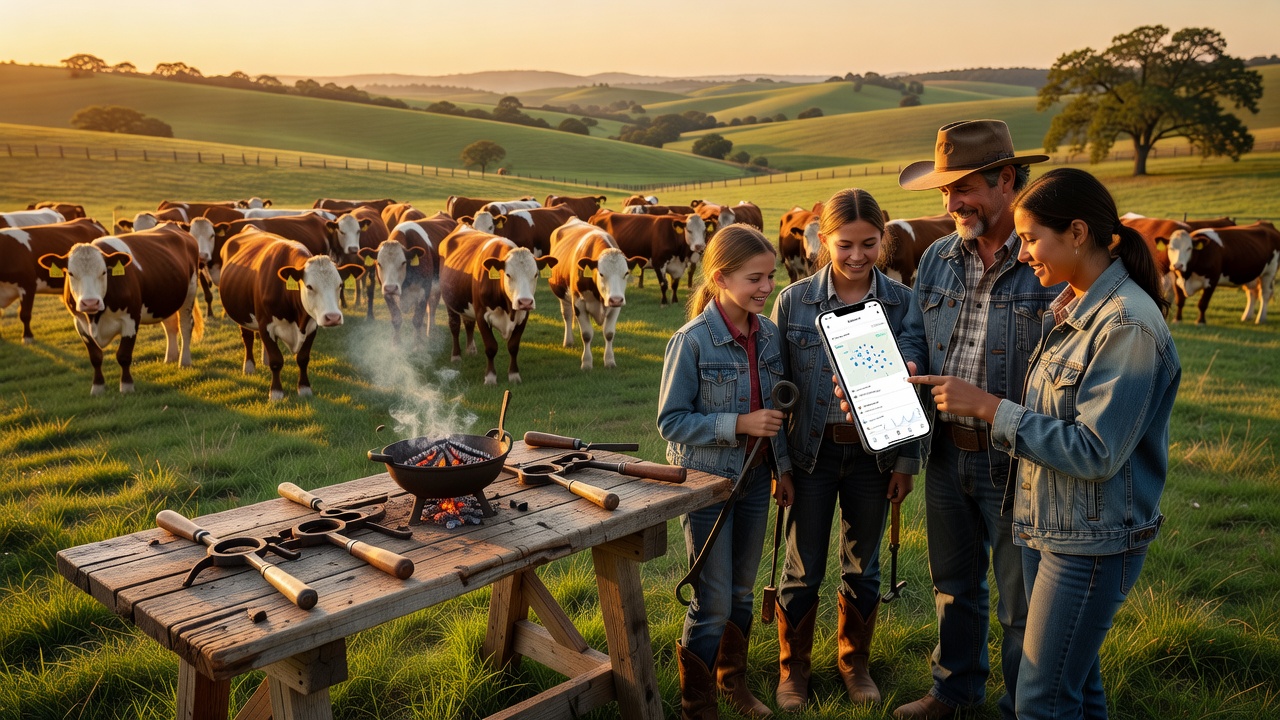
Valley ranching operations continue to integrate long-standing branding practices with digital livestock management tools as families seek improved oversight of their herds and compliance with identification requirements. Traditional hot-iron branding remains a visible marker of ownership on many properties while software platforms now record animal movements, health data, and location histories through mobile devices. Observers note that this combination allows operators to maintain cultural continuity in their methods while addressing the practical demands of larger herds and regulatory standards that have evolved over recent decades.
Traditional Branding Practices in Valley Operations
Branding customs in the region trace back generations and involve heating irons to mark calves during spring and fall gatherings. Families gather at designated times each year to perform these tasks by hand, often coordinating across neighboring ranches to share labor and equipment. The marks serve as permanent identifiers that withstand weather and time, and local records show that many operations still rely on these visual cues during roundups and sales. Data from regional agricultural reports indicate that branding continues on a majority of valley cattle properties even as supplementary technologies enter use.
Those who participate describe the process as both functional and communal, with younger members learning techniques passed down through families. In October 2026 several valley outfits documented their annual branding events through photographs and logs that also fed into digital systems for cross-referencing. This dual approach helps prevent disputes over ownership while creating searchable records that link each branded animal to its electronic profile.
Adoption of App-Based Tracking Systems
App-based platforms now allow ranchers to scan ear tags or enter branding information directly into handheld devices that sync with cloud databases. These systems track weight gains, vaccination schedules, and pasture rotations through GPS-enabled entries that update in real time. Researchers at agricultural extension programs have documented how such tools reduce paperwork and improve accuracy compared with paper ledgers alone. Valley operators report that integration happens gradually, often starting with a single herd before expanding across entire operations.
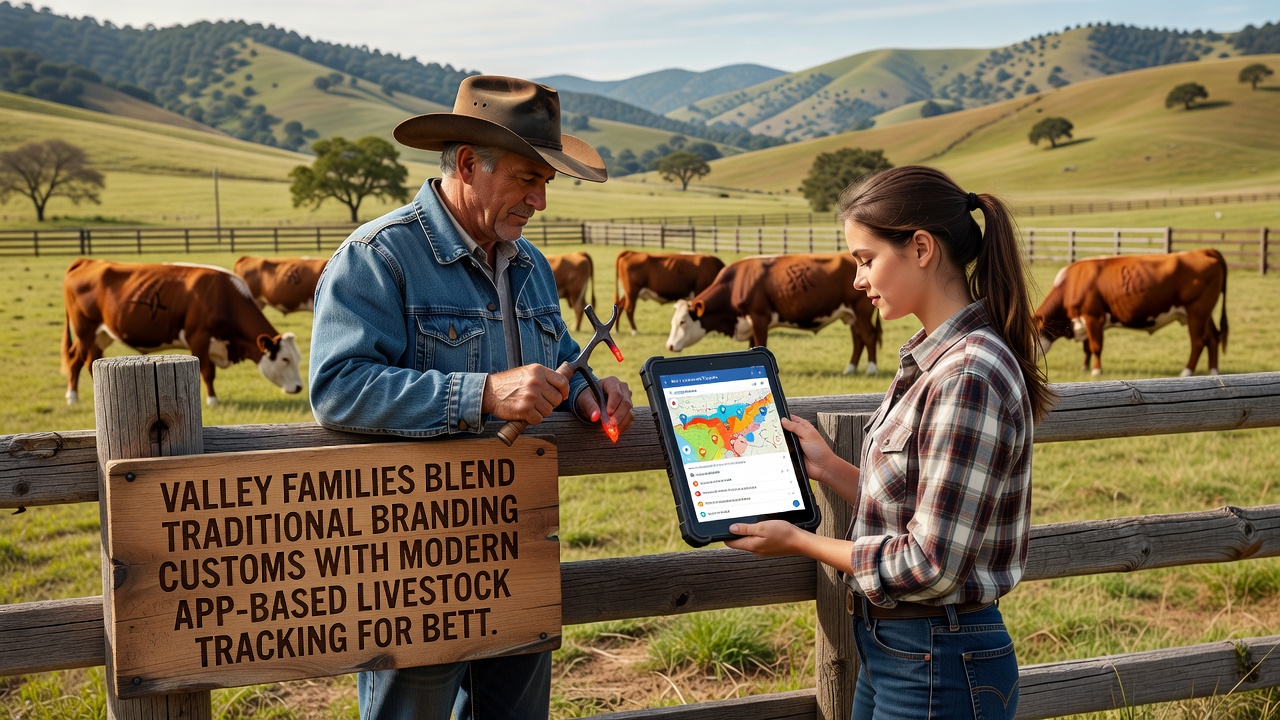
One study from the University of California Division of Agriculture and Natural Resources examined similar transitions and found measurable improvements in record completeness when operators combined physical brands with digital logs. The findings align with observations from valley families who note fewer discrepancies during audits and sales. Government resources from Agriculture and Agri-Food Canada provide additional guidance on traceability frameworks that many U.S. producers reference when selecting software, highlighting compatibility with national standards.
Combined Benefits for Herd Management
Operators who use both methods gain layered verification that supports decisions on breeding, culling, and resource allocation. Traditional brands offer immediate visual confirmation in the field while apps supply historical data that informs long-term planning. Figures from industry reports show that ranches adopting integrated systems often record higher rates of timely medical interventions and more efficient pasture usage. Valley families have shared case examples where app alerts prompted earlier treatment of health issues that traditional observation alone might have missed during busy seasons.
Coordination across properties becomes simpler when digital records travel with the animals during transport or shared grazing agreements. Local extension agents have assisted with training sessions that demonstrate how to upload branding photos and tag numbers into the same interface. This approach maintains the social aspects of ranch work while meeting demands for detailed documentation required by buyers and regulators.
Challenges and Adjustments Observed
Initial setup requires investment in devices and training, and some older operators have delegated data entry to younger family members or hired help. Connectivity issues in remote valley areas occasionally slow uploads, prompting many to maintain backup paper copies of critical branding information. Despite these hurdles, adoption rates continue upward as software interfaces simplify and hardware costs decline. Evidence from ongoing regional surveys indicates steady growth in the number of properties using at least basic tracking applications alongside established branding routines.
Conclusion
Valley families demonstrate that established branding customs and contemporary app-based tools can operate together within the same management framework. The combination supports accurate ownership verification, efficient health monitoring, and regulatory compliance without requiring abandonment of longstanding practices. As October 2026 records illustrate, operations that blend these approaches continue to refine their methods in response to both tradition and technological capability.